Ford Explorer vs Expedition for a Growing Family Up North
The 2026 Ford Explorer vs Expedition decision comes down to one practical question: how much SUV do you actually need? If you live near Nipigon or Thunder Bay, your next SUV has to earn its keep. Long stretches of Highway 11 and Highway 17 in January. A boat trailer in July. A family that needs […]
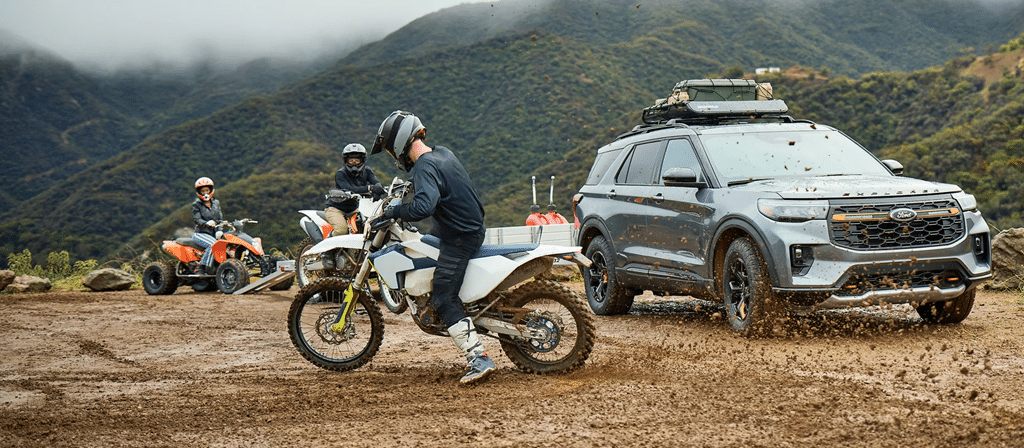
The 2026 Ford Explorer vs Expedition decision comes down to one practical question: how much SUV do you actually need? If you live near Nipigon or Thunder Bay, your next SUV has to earn its keep. Long stretches of Highway 11 and Highway 17 in January. A boat trailer in July. A family that needs room year-round. Two Ford SUVs sit at the centre of this choice for the 2026 model year, and they serve genuinely different buyers.
The 2026 Ford Explorer is a midsize SUV with seating for up to seven and a max towing capacity of 2,267 kg (5,000 lbs). The Expedition is a full-size SUV built around a body-on-frame platform with considerably more interior volume and a higher towing ceiling. Both come standard with 4WD in Canada, both run on proven EcoBoost power, and both belong on Northern Ontario roads. Picking the right one depends on how you actually use it.
This breakdown covers size, capability, features, and real-world fit so you can walk into Brennen Ford in Nipigon with a clear picture before you commit.
Explorer vs Expedition Size, Seating and Cargo Room
The Explorer seats up to seven across three rows. For a family of five, that third row works well for kids or folds flat when you need the cargo space. Max cargo volume hits 2,431 L (85.8 cu ft) with the rear seats folded. That is enough for hockey bags, camping gear, or a solid run to the warehouse stores in Thunder Bay.
The Expedition stretches the formula considerably. Its body-on-frame design creates a taller, longer cabin. Third-row passengers sit with genuine adult-sized legroom. Cargo volume behind the third row is substantially larger, and with seats folded, the Expedition swallows loads the Explorer simply cannot match.
Who Fits the Explorer and Who Fits the Expedition
A couple with two kids and a dog will find the Explorer roomy and easy to park at the Northern or in a Nipigon lot. Families of six or seven, or anyone who regularly carries adults in that third row, will appreciate the Expedition’s full-size footprint.
Think about your typical Saturday. Five passengers and gear? The Explorer handles it. Seven passengers and gear? The Expedition is your match.
Explorer vs Expedition Towing and Powertrain
Explorer Powertrain Options
The Explorer offers two EcoBoost options for the 2026 model year. The 2.3L EcoBoost I-4 with Auto Stop-Start Technology is standard on the Active, ST-Line and Platinum trims. For buyers who want more grunt, the 3.0L EcoBoost delivers up to 400 hp and is available on the Tremor and ST trims. Every 2026 Explorer in Canada comes with Intelligent 4WD.
Max towing capacity sits at 2,267 kg (5,000 lbs). In practical terms, that covers a 16-foot aluminum fishing boat, a pair of snowmobiles on a double trailer, or a small camper. For many Northern Ontario families, that range handles the most common towing needs without stepping up to a full-size SUV.
Expedition Powertrain
The Expedition runs a larger displacement EcoBoost engine paired with a 10-speed automatic. Its towing capacity climbs well above the Explorer’s ceiling. If you are hauling a larger boat, a heavy enclosed trailer, or a camper that exceeds 2,267 kg, the Expedition is built for that load. Contact Brennen Ford for confirmed towing figures on specific Expedition trims available in Canada.
Tow on Highway 17 in Northern Ontario
Towing up here is different from towing in the south. You are pulling uphill grades, dealing with crosswinds off Lake Superior, and sometimes towing in snow. Both the Explorer and Expedition use EcoBoost turbocharging, which delivers strong low-end torque. That matters when you are merging onto the highway with a loaded trailer behind you.
As of 2026, the Explorer handles lighter loads confidently. The Expedition’s extra mass and longer wheelbase provide additional stability with heavier trailers at highway speed. Both are dependable tools for Northern Ontario towing. The difference is ceiling, not competence.
The 2026 Explorer Tremor and Off-Road Capability
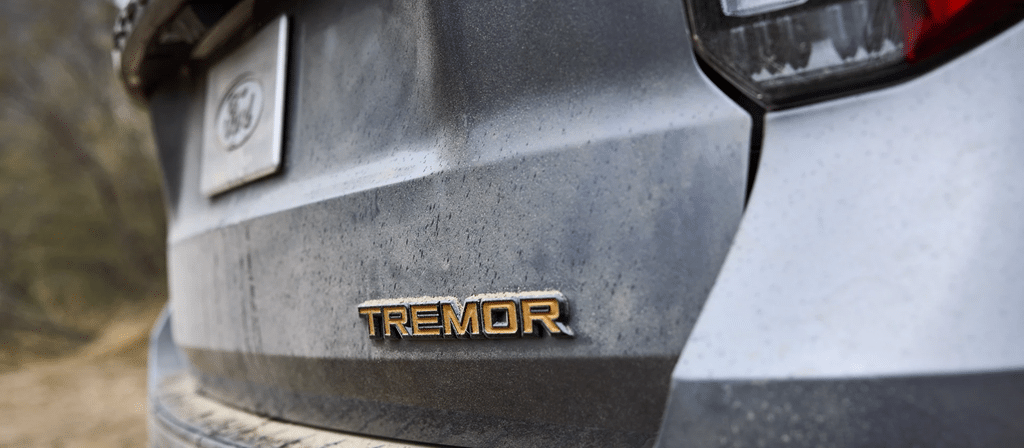
For the 2026 model year, the Explorer lineup includes the Tremor trim. This is a purpose-built off-road variant that brings equipment Northern Ontario buyers will notice immediately.
The Tremor features a Torsen limited-slip rear axle, off-road tuned suspension with increased ride height, and underbody protection with front and rear deflector plates. The available 3.0L EcoBoost with up to 400 hp powers it. For back roads around Nipigon, seasonal logging roads, or a favourite fishing spot down a rough trail, the Tremor adds meaningful ground clearance and real protection.
The Expedition does not currently offer a direct Tremor equivalent, though its Timberline trim targets a similar buyer. The Explorer Tremor’s smaller size is an advantage on narrow trails and tight turnarounds. For buyers who want off-road readiness in a midsize package, the Tremor fills that gap. You can see current Explorer inventory at Brennen Ford to check Tremor availability.
Technology and Driver Assist Features
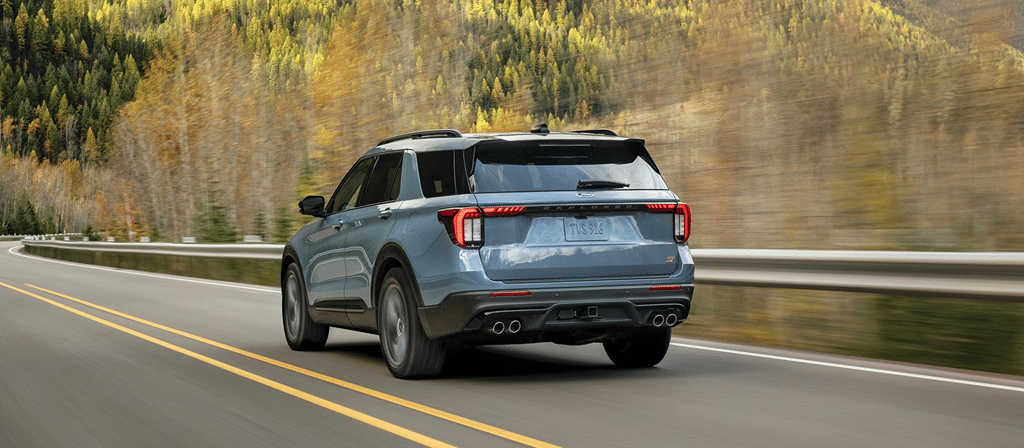
Both the Explorer and Expedition share the Ford Co-Pilot360 driver-assist suite. On long highway drives between Thunder Bay and Sault Ste. Marie, or north toward Hearst, that suite is more than a feature list. It is working equipment.
On the Explorer, Ford Co-Pilot360 Assist+ comes standard on the Active trim. Ford BlueCruise hands-free highway driving is standard on the ST, and standard with one year plus 90 days included on the Platinum. A 360-degree camera is standard on the ST-Line. The Ford Connectivity Package adds Wi-Fi, streaming, and entertainment options for passengers.
The Expedition offers a similar technology suite scaled to the larger vehicle. Because the Expedition tends to cover more highway kilometres per trip, features like BlueCruise become especially practical on a clear stretch of Highway 11 in February. Ford publishes a full breakdown of Explorer and Expedition technology by trim on ford.ca.
Winter Readiness Up Here in Northern Ontario
Cold snaps around Nipigon push well below minus 30. Both the Explorer and Expedition come with Intelligent 4WD, which matters on icy two-lane highways and snow-packed back roads alike. As of 2026, this is standard on every Canadian-spec unit of both models.
The Explorer’s heated front-row seats are standard on the Active trim. The Platinum trim adds heated, ventilated, massaging front seats with leather inserts. Block heater compatibility is a practical necessity up here, and you should confirm fitment with the Brennen Ford service team when ordering.
The Expedition offers comparable cold-weather comfort features. Its heavier curb weight gives a planted, stable feel on slippery surfaces. The Explorer’s lighter footprint and shorter wheelbase make it more nimble in tight parking lots and on narrow township roads after a heavy snowfall. Both SUVs start dependably in deep cold thanks to EcoBoost turbocharging and modern engine management. That is not marketing language. It is the practical reason these engines suit Northern Ontario conditions.
Which One Fits Your Life
Here is a straightforward way to think about the 2026 Ford Explorer vs Expedition choice.
The Explorer is your match if you have a family of five or fewer, tow loads under 2,267 kg regularly, want off-road readiness with the Tremor trim, prefer a midsize SUV that parks easily in town, and drive Highway 11 or 17 weekly with an eye on fuel efficiency relative to a full-size SUV.
The Expedition is your match if you carry six or seven passengers regularly, tow heavier loads like large boats, campers, or enclosed trailers, need maximum interior and cargo space, and want a full-size SUV that handles long Northern Ontario highway drives with authority.
Neither choice is wrong. They serve different needs, and Brennen Ford in Nipigon stocks both. A test drive on local roads settles the question faster than any spec sheet. Worth reading too: Brennen Ford’s piece on how the F-150 handles work and towing in Northern Ontario if towing capacity is your main consideration and you want to compare across the full Ford lineup.
Frequently Asked Questions
How much can the 2026 Ford Explorer tow?
The 2026 Ford Explorer has a max towing capacity of 2,267 kg (5,000 lbs). That covers aluminum fishing boats, snowmobile trailers, and small campers comfortably. For a typical Northern Ontario family hauling a boat to Lake Nipigon or a pair of machines to a trail system, this capacity handles the job. A Class III Trailer Tow Package comes standard on the Active trim. If your trailer exceeds this weight, the Expedition offers a higher ceiling.
Does the 2026 Expedition tow significantly more than the Explorer?
Yes. The Expedition’s body-on-frame design and larger powertrain support considerably heavier trailer loads. The gap between the 2026 Ford Explorer vs Expedition towing specs is meaningful for buyers with serious needs. If you are pulling a 24-foot boat or a travel trailer that exceeds the Explorer’s 2,267 kg limit, the Expedition is the right tool. Contact Brennen Ford in Nipigon for specific Expedition towing figures by trim.
What makes the Explorer Tremor different from other Explorer trims?
The Tremor is built for off-road and rough-road driving. It features a Torsen limited-slip rear axle, off-road tuned suspension with increased ride height, and underbody protection with front and rear deflector plates. It runs the available 3.0L EcoBoost with up to 400 hp. For buyers near Nipigon who drive logging roads, access remote campsites, or deal with unpaved surfaces regularly, the Tremor adds genuine capability without stepping into a truck platform.
Can both the Explorer and Expedition handle Northern Ontario winters?
Both come standard with Intelligent 4WD in Canada, which provides confident traction on ice and snow. The Explorer offers heated front seats starting on the Active trim, and the Platinum adds ventilated and massaging front seats. The Expedition provides comparable cold-weather features. As of 2026, either SUV is well-suited to sustained deep cold and winter highway driving. Pre-winter service at Brennen Ford ensures both are ready for the season.
How many passengers does each SUV seat?
The Explorer seats up to seven across three rows, though the third row works better for children or shorter adults on longer drives. The Expedition also offers three-row seating, but its larger cabin gives true adult-sized space in the third row. Families of six or seven who travel together regularly will find the Expedition’s extra room makes a noticeable difference on the long hauls common in Northern Ontario.
Is Ford BlueCruise available on both the Explorer and Expedition?
On the Explorer, BlueCruise hands-free highway driving is standard on the ST trim and included on the Platinum with one year plus 90 days of service. BlueCruise is also offered on the Expedition. For long stretches of Highway 11 or Highway 17 with light traffic, BlueCruise reduces driver fatigue noticeably. Check with Brennen Ford in Nipigon for specific Expedition trim availability and current configurations.
Where can Northern Ontario buyers see both models in person?
Brennen Ford in Nipigon carries both the Explorer and Expedition. A test drive on local roads, including Highway 11 and the back roads around town, gives a real sense of how each SUV handles the conditions you actually face. Visit the Ford Explorer inventory page to see current stock and book a drive.
Disclaimer: Content contained in this post is for informational purposes only and may include features and options from US or international models. Please contact the dealership for more information or to confirm vehicle, feature availability.